
Wikipedia Account
Wikipedia Admin Access Explained: What Admins Can and Cannot Do
Jul
Wikipedia Admin Access Explained: What Admins Can and Cannot Do
Many people search for Wikipedia admin access because they want more control over a Wikipedia page, faster article approval, better editing power, or help with a rejected page. For business owners, public figures, agencies, and SEO professionals, Wikipedia can look like an important platform for trust and visibility.
However, Wikipedia admin access is often misunderstood. A Wikipedia admin account is not the same as a normal website login, a paid membership, or a premium account. It is not something that automatically gives someone the right to publish promotional content, approve company pages, or protect a brand from criticism.
To use Wikipedia properly, it is important to understand what admins actually do, what they cannot do, and what safer alternatives exist for businesses that need professional Wikipedia support.
If you need help reviewing your account situation or understanding the safest editing option, you can start with our Wikipedia account consultation service.
What Is Wikipedia Admin Access?
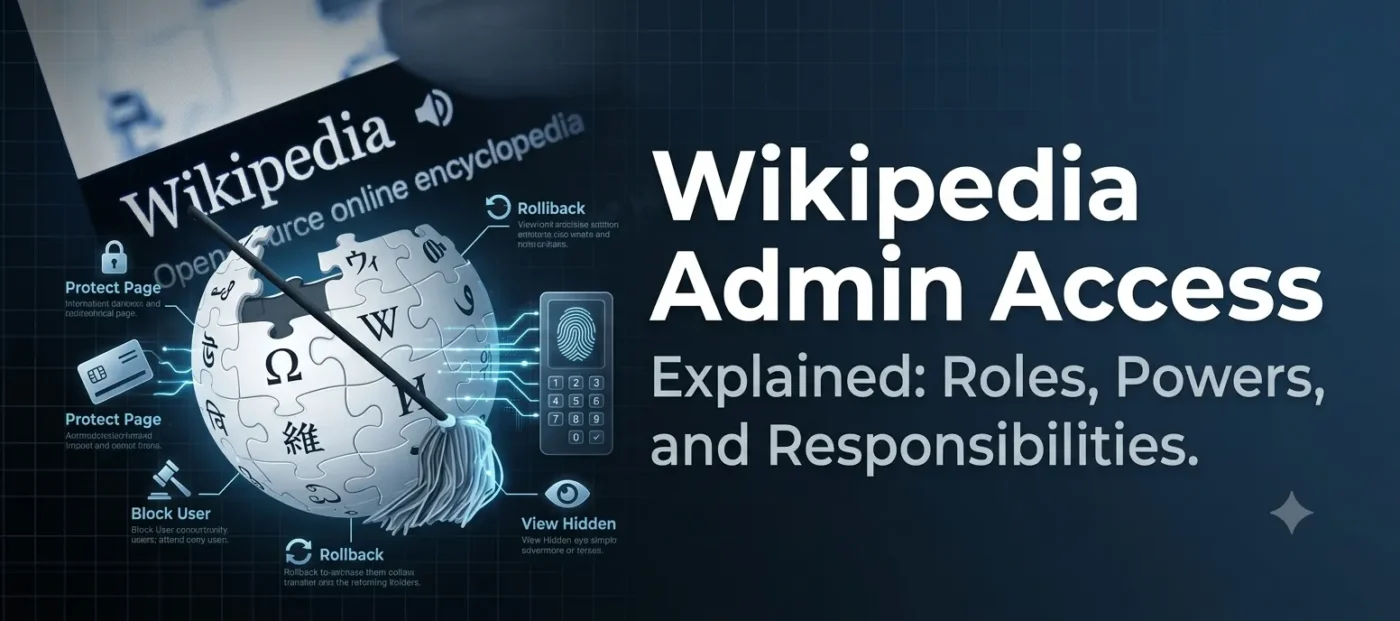
Wikipedia admin access refers to special technical permissions given to trusted Wikipedia editors. These users are commonly called administrators or admins. They are experienced volunteers who have earned community trust through editing history, policy knowledge, and responsible participation.
According to Wikipedia’s own explanation, administrators are editors who have been granted technical abilities to perform certain tasks, such as deleting pages, protecting pages, and blocking users when necessary. You can read the official explanation here: Wikipedia administrators.
This does not mean admins control Wikipedia. It also does not mean they can make any page rank, approve any article, or keep promotional content online. Wikipedia is still governed by public rules, community review, reliable sources, and neutral writing standards.
Why Do People Want Wikipedia Admin Access?
People usually search for Wikipedia admin access because they are facing one of these problems:
- Their Wikipedia page was rejected.
- Their company article was deleted.
- Their brand page has incorrect information.
- They want to publish a new Wikipedia article.
- They want to add citations or references.
- They want to protect a page from unwanted edits.
- They want to understand account restrictions.
- They believe admin access can guarantee approval.
These goals are common, especially for businesses and public figures. But the solution is not always admin access. In most cases, the real issue is notability, source quality, article tone, or conflict-of-interest handling.
That is why a professional review is often more useful than chasing admin permissions.
What Can Wikipedia Admins Do?
Wikipedia admins have technical tools that regular users do not have. These tools help manage the encyclopedia and protect it from abuse, spam, vandalism, and policy violations.
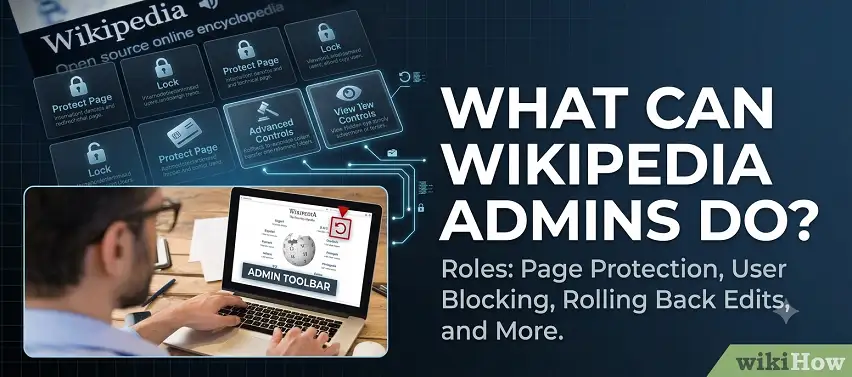
Admins may be able to:
- Delete or restore pages in certain cases
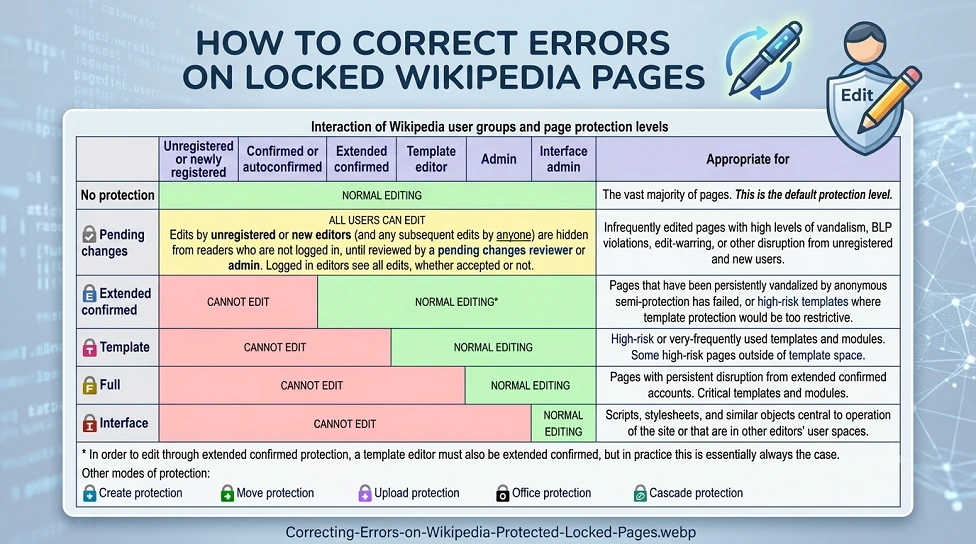
- Protect pages from editing during disputes or vandalism
- Block disruptive users
- Close certain discussions
- Handle maintenance tasks
- Manage protected content
- Review serious editing problems
These permissions exist to support Wikipedia’s community and content quality. They are not meant to serve private business goals.
For example, if a page is being vandalized repeatedly, an admin may protect it. If a page is clearly promotional and does not meet Wikipedia standards, it may be deleted. If an editor is abusing multiple accounts, an admin may block the account.
In other words, admin access is about maintaining Wikipedia, not giving special marketing power to one person or company.
What Wikipedia Admins Cannot Do
This is where many people get confused. A Wikipedia admin cannot simply force a business page to stay live if it does not meet Wikipedia standards.
A Wikipedia admin cannot honestly guarantee:
- Permanent page approval
- Automatic article publishing
- Protection from all edits
- Removal of all negative content
- Approval of promotional language
- Guaranteed backlinks
- Guaranteed Google ranking
- Full control over a brand page
Wikipedia articles are not owned by the company, person, founder, or editor who created them. Other editors can review, improve, challenge, tag, merge, or nominate pages for deletion if they believe the article does not meet the rules.
So, even if a person has advanced permissions, the page still needs to follow Wikipedia’s core expectations: neutral tone, reliable sources, verifiable facts, and enough notability.
Is Wikipedia Admin Access the Same as Page Approval?
No. This is one of the biggest myths.
Wikipedia admin access and Wikipedia page approval are not the same thing. Admin access is a technical permission level. Page approval depends on whether the topic qualifies for Wikipedia.
A company, public figure, or brand page usually needs strong independent sources. These sources should not be self-published, promotional, or controlled by the subject.
Good sources may include:
- Independent news articles
- Magazine features
- Books
- Academic sources
- Major industry publications
- Trusted interviews
- Reliable media coverage
Weak sources may include:
- Your own website
- Press releases
- Social media profiles
- Paid directory listings
- Basic company profiles
- Sponsored posts
- Self-published blogs
If the sources are weak, admin access will not fix the problem. The page may still be rejected or deleted.
Why Wikipedia Pages Get Rejected
Many Wikipedia pages fail for reasons that have nothing to do with account access. Most rejected pages have problems such as poor sourcing, promotional writing, or lack of notability.
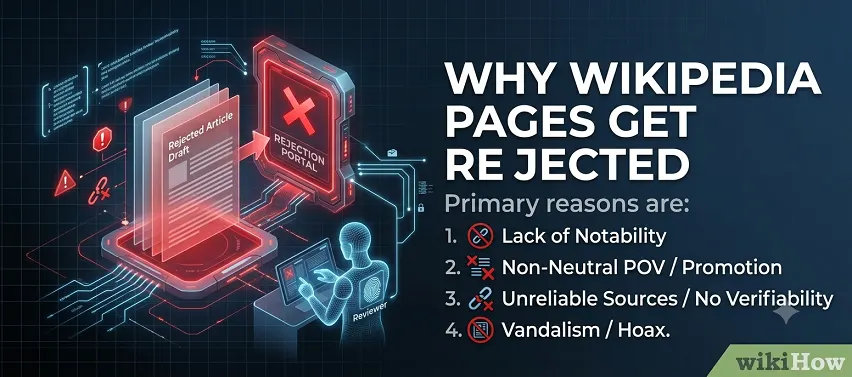
Common reasons for rejection include:
1. Not Enough Independent Coverage
Wikipedia usually requires significant coverage from reliable sources that are independent of the subject. If your company is only mentioned in press releases or business listings, that may not be enough.
2. Promotional Writing
Wikipedia is not a sales page. Words like “leading,” “best,” “top,” “trusted,” “award-winning,” or “world-class” can make an article sound like advertising.
3. Conflict of Interest
If someone writes about their own company, client, employer, or personal brand, there may be a conflict of interest. Wikipedia has guidance around this, and paid contributors are expected to disclose paid editing relationships. You can read more here: Wikipedia paid-contribution disclosure.
4. Poor Article Structure
Wikipedia articles need a proper encyclopedic structure. A page that reads like a company profile, landing page, or press release may be rejected.
5. Weak References
Even if the topic is important, weak references can hurt the article. Wikipedia depends heavily on verifiable, reliable sources.
What Businesses Should Do Instead
Instead of focusing only on Wikipedia admin access, businesses should focus on building a safe Wikipedia strategy.
A better approach includes:
- Checking notability first
- Reviewing existing media coverage
- Improving weak references
- Removing promotional language
- Preparing a neutral article draft
- Understanding conflict-of-interest rules
- Using talk pages where appropriate
- Getting professional consultation before editing
This approach is safer, more realistic, and better for long-term brand credibility.
If you are unsure whether your company or personal brand qualifies, our Wikipedia account consultation service can help you understand the best next step.
Wikipedia Account Levels vs Admin Access
Not every Wikipedia account has the same permissions. Some permissions are automatic, while others require community trust or special approval.
A new account has limited history. Over time, an account may gain certain abilities after meeting basic age and edit requirements. More advanced rights, such as administrator access, are not automatic. They require a much higher level of trust and community review.
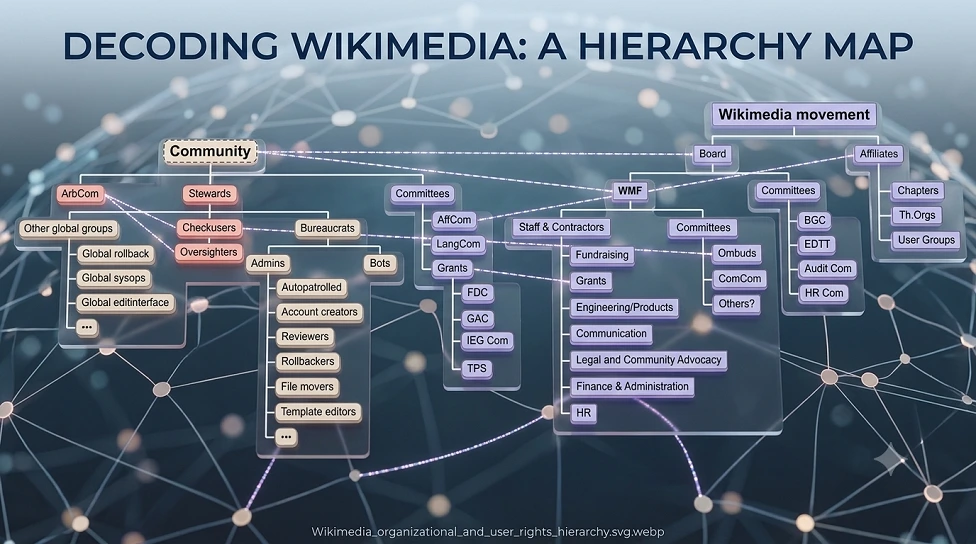
This is why buying or using a random account is risky. Account history matters. Editing behavior matters. Transparency matters. A suspicious account can create more problems than it solves.
For businesses, the safer route is not to depend on secret access. The safer route is to understand the correct process and avoid edits that look promotional, deceptive, or manipulative.
Can Professional Wikipedia Help Improve Your Chances?
Yes, professional help can improve your strategy, but it should be done carefully.
A professional Wikipedia consultant can help with:
- Notability checks
- Source audits
- Draft review
- Rejected page analysis
- Existing page improvement
- Neutral writing guidance
- Citation recommendations
- Account-related questions
- Compliance-based editing strategy
Professional help should not promise fake guarantees. No one can honestly guarantee that Wikipedia will permanently approve a page. But a careful review can identify risks, fix weak points, and improve your chances of following the correct process.
You may also read our guide on how to get backlinks from Wikipedia if your goal is related to citations, references, and link opportunities.
When Should You Request a Wikipedia Account Consultation?
A Wikipedia account consultation can be useful if:
- You are planning to create a Wikipedia page
- Your article was rejected
- Your page was deleted
- You are unsure about account safety
- You need to understand editing permissions
- Your brand page has incorrect information
- You want to avoid policy mistakes
- You need a safer Wikipedia content plan
This is especially useful for agencies, entrepreneurs, public figures, companies, startup founders, musicians, authors, executives, and organizations that care about long-term reputation.
Before making risky decisions, it is better to understand what is allowed, what is not allowed, and what path gives you the best chance of success.
How Wikipedia Supports Brand Visibility
Wikipedia can support online visibility, but not in the same way as a normal marketing platform. Wikipedia is an encyclopedia, not an advertising channel.
A properly written and well-sourced Wikipedia article may help with:
- Brand credibility
- Search visibility
- Entity recognition
- Public trust
- Knowledge graph signals
- Reputation management
- Third-party validation
However, this only works when the article is accurate, neutral, and properly sourced. If a page looks promotional or manipulative, it may be challenged or removed.
That is why businesses should treat Wikipedia as a credibility platform, not a quick SEO trick.
Safe Internal Steps Before Editing Wikipedia
Before editing or creating a Wikipedia page, follow these steps:
- Collect independent sources about the subject.
- Remove weak, promotional, or self-published references.
- Check whether the topic has enough notability.
- Prepare a neutral outline.
- Avoid sales language.
- Review any conflict-of-interest issues.
- Ask for expert guidance if the situation is sensitive.
You can explore more Wikipedia-related support options on the BuyWikiLinks homepage.
Final Thoughts
Wikipedia admin access is often misunderstood. Admins have technical tools, but they do not have unlimited power to approve, control, or protect business pages. A Wikipedia page still needs strong sources, neutral writing, and clear notability.
For most businesses, the smarter question is not “How do I get admin access?” The better question is “How do I build a safe and compliant Wikipedia strategy?”
If your goal is to create a page, fix a rejected draft, understand account permissions, or review your Wikipedia situation, professional consultation is the safer path. It helps you avoid mistakes, reduce risk, and make better decisions before taking action.
A strong Wikipedia presence is not built through shortcuts. It is built through reliable sources, careful writing, transparency, and a strategy that respects how Wikipedia works.
